
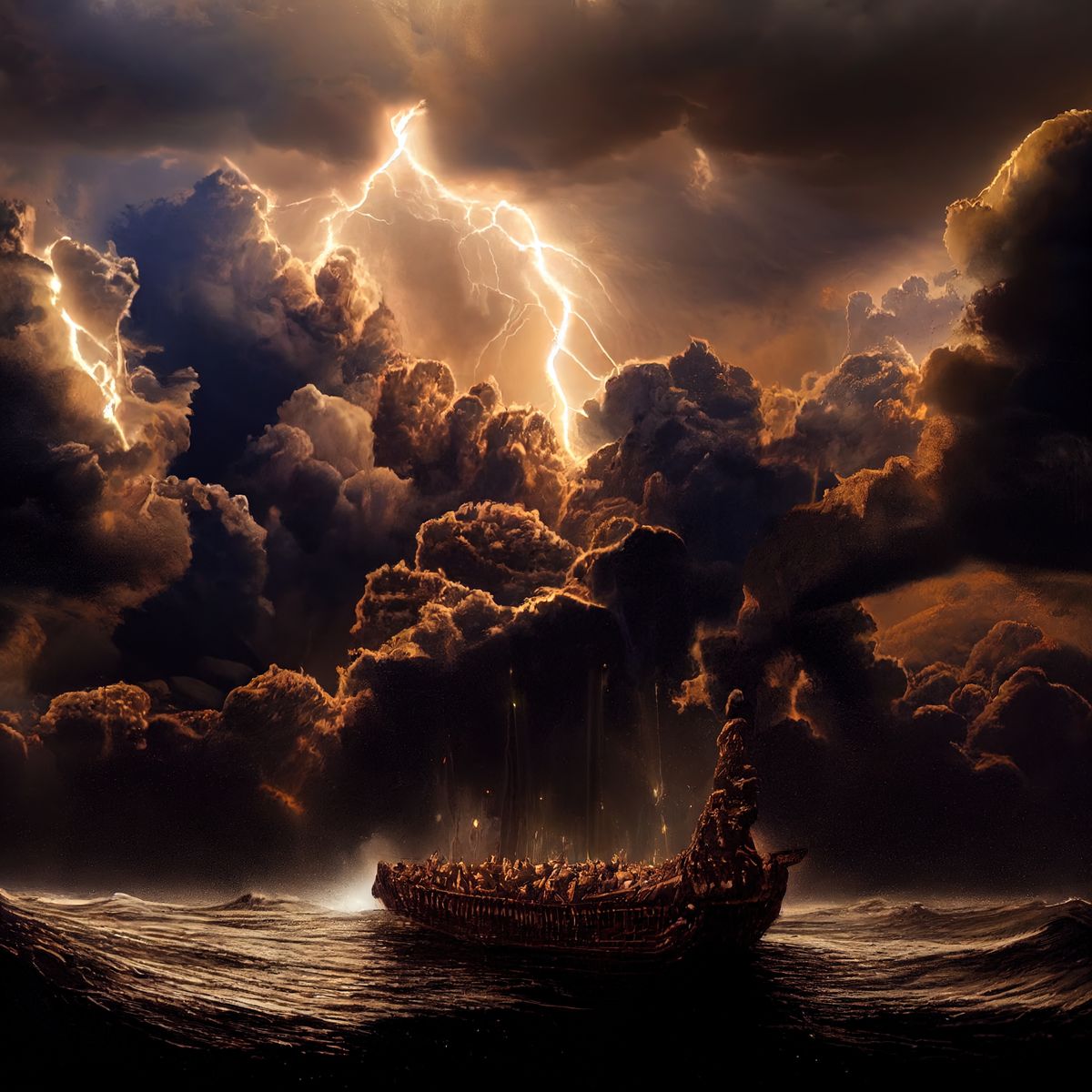
In the realm of biblical narratives, few stories resonate as profoundly as that of Noah's Flood. The podcast episode found at the bottom of this blog entry delves into the intricacies of Noah's Flood 1.0, exploring not only the events leading up to the deluge but also drawing intriguing parallels to a second flood prophesied in scripture. Join us as we uncover the layers of meaning behind this ancient story and its implications for our understanding of time and morality.
The Genesis of the Flood Narrative
The story of Noah’s Flood, as recounted in the book of Genesis, serves as a poignant reminder of humanity's moral compass. The podcast begins with host Samuel David Steiner introducing the concept of Noah's Flood 1.0, emphasizing its role as a precursor to a second, more significant flood event. Steiner explains that the first flood is not merely a tale of destruction but a model that foreshadows a subsequent divine intervention at the end of the world.
Understanding the Jewish Calendar
One of the fascinating aspects discussed is the connection between the seven days of creation and the Jewish calendar. Each day is said to represent a thousand years, with the sixth day symbolizing the current state of humanity. Steiner points out that the end of the sixth millennium is nearing, a pivotal moment that precedes the arrival of the Messiah. This connection to time adds depth to the understanding of the flood narrative, suggesting that it is part of a larger divine timeline.
In tracing the lineage of Noah, Steiner highlights key figures such as Enoch, who was shown the forthcoming flood. Enoch’s prophecies are tied to the moral decay of humanity, a theme that resonates throughout the podcast. The discussion reveals that the world had become increasingly corrupt, leading to the necessity of a flood to cleanse the earth. Steiner elaborates on how Adam, as a priest and judge, witnessed this moral decline, setting the stage for the flood.
The podcast delves into the emergence of the Nephilim, offspring of fallen angels and human women (Genesis chapter 6), whose existence contributed to the moral decay of society. Steiner explains that these beings excelled in various nefarious activities, intensifying the wickedness of the world. Their actions violated the divine commandments given to Adam, further justifying the need for a cataclysmic event to restore order.
As Noah builds the ark, the narrative shifts to the preparations for the flood. Steiner recounts how Noah and his family preached for 120 years, urging others to join them in the ark. The podcast paints a vivid picture of the animals entering the ark and the challenges Noah faced during the flood. Steiner also touches on the significance of Noah's priesthood and the transition of that role to his son, Shem, after the flood.
After the flood, Noah receives new commandments, which form the basis of the Seven Noahide Laws. These laws reflect a moral framework for humanity post-flood, emphasizing the importance of ethical conduct. Steiner explains that these laws were instituted to prevent the moral failings that led to the flood, highlighting the ongoing relevance of this ancient narrative in contemporary discussions about ethics and responsibility.
Conclusion:
The podcast concludes by hinting at the exploration of Noah's Flood 2.0 in future episodes, urging listeners to reflect on the implications of the first flood story. Key takeaways from this discussion include the interconnectedness of time, morality, and divine intervention, as well as the enduring relevance of ancient teachings in guiding modern ethical behavior. As we ponder these lessons, it is crucial to recognize the power of narrative in shaping our understanding of the world and our place within it.
Buy Bipolar Winter (Vol. 1): Amazon.com
Bipolar Winter Podcast: PodcastApocalypse.com
Bipolar Winter Instagram: Instagram.com
Bipolar Winter X: X.com
Tags: Noah's Flood, Biblical Stories, Jewish Calendar, Moral Lessons, Nephilim, Seven Noahide Laws, Ancient Teachings, Ethics, Divine Intervention, Seventh-day Adventist Church, Mormon, The Church of Jesus Christ of Latter-day Saints, Hebrew, Jews, Torah, Talmud, Tanya, Catholic, End-time events, biblical eschatology, battle of Armageddon, Ellen G White, Mark of the Beast, Sabbath, Samuel Summers, cloning, resurrection, luz bone, Noah, Great Tribulation, Seven Last Plagues, Daniel, Samuel David Steiner, Bipolar Winter, apocalypse, doomsday cults, Bishop of Rome, Pope
.